

For someone returning home after incarceration, the first days and weeks can be filled with challenges. Finding a job, securing transportation, reconnecting with family and managing everyday needs can feel overwhelming.
That’s where OAR of Richmond comes in.

OAR, which stands for Opportunity Alliance and Reentry, provides person-centered services to individuals returning to their communities after incarceration. The organization serves anyone released from state or federal correctional facilities within the past six months, helping clients navigate the transition from incarceration to life back in the community.
“We’re here to help clients, to be that bridge from the inside to the outside,” explains Latifah Holman, Director of Community Engagement.
Holman and OAR staff begin building that bridge even before a person is released. Holman visits correctional facilities to connect with individuals returning home soon and share information about the valuable resources that OAR can provide them.
Once a recently released person arrives at OAR’s Richmond office, they do an intake with a reentry advocate and can access a wide range of free services designed to address both immediate needs and long-term goals. Clients can receive needed clothing, work wear and tools* and full-size hygiene products, not covered by their SNAP benefits.
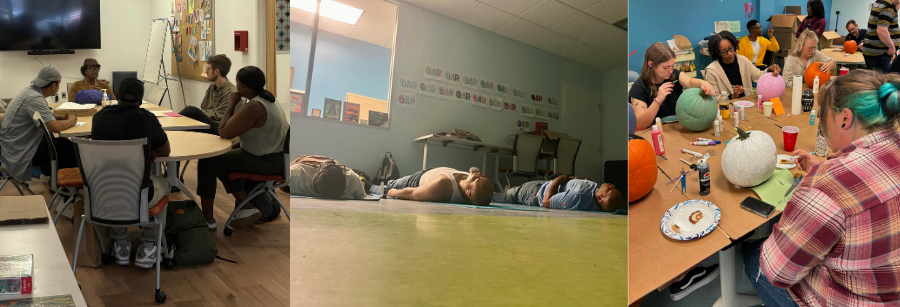
Reentry advocates provide case management and help clients set and reach personal goals, while peer-led groups, self-esteem groups and self care activities provide additional support.
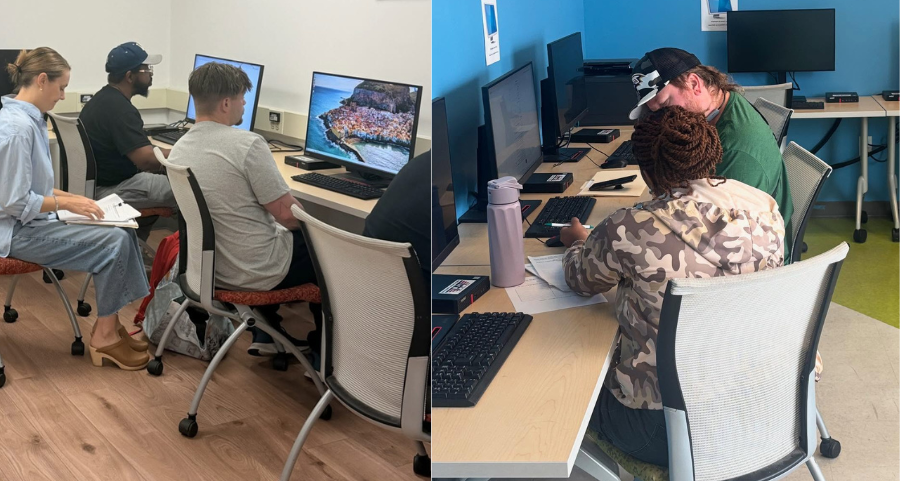
OAR also helps clients prepare for employment through career resources, resume development resources, mock interviews and a computer lab where they can create email accounts, work on resumes and apply for jobs. A partnership with Truist Bank provides financial education to help clients build the skills they need to manage their finances.
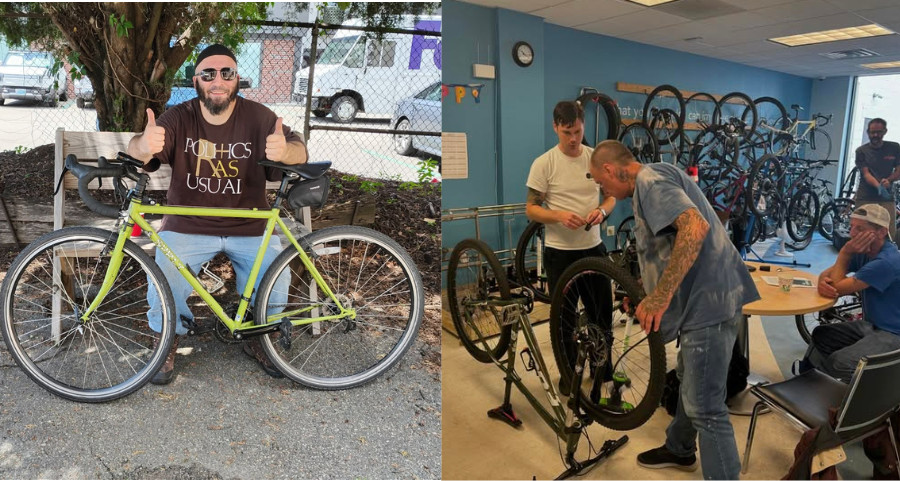
Transportation can be another significant barrier to successful reentry. OAR’s Ride 2 Reentry bicycle program accepts donated bicycles, repairs them (if needed) and provides clients with a bicycle and helmet to help them get to work, appointments and other essential destinations.
The impact of the work they do is significant. Over the past year, OAR served approximately 5,300 clients, distributed 1,500 hygiene kits and helped 800 people secure employment.
But for Holman, the numbers represent something much bigger.
“These are big accomplishments, not just for OAR, but for the clients themselves,” she said.
From getting a driver’s license or a new job to reaching an employment anniversary or recovery milestone, staff are there to recognize and celebrate those victories.
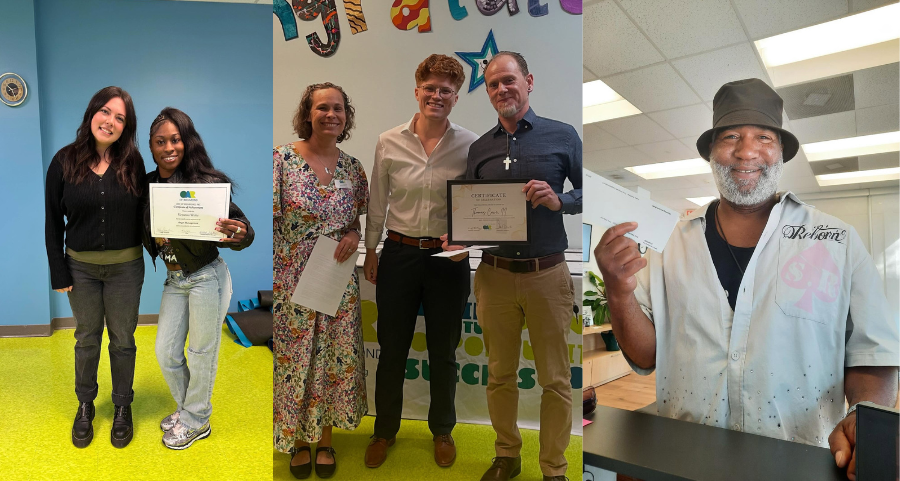
“It's so rewarding to welcome them home and get to see them make progress with their goals,” Holman said.
OAR primarily serves greater Richmond area, but its reach extends beyond those communities. Anyone who has been released within the past six months and can get to OAR’s office can receive services. As long as clients remain in communication with OAR at least every three months, they can continue to receive assistance.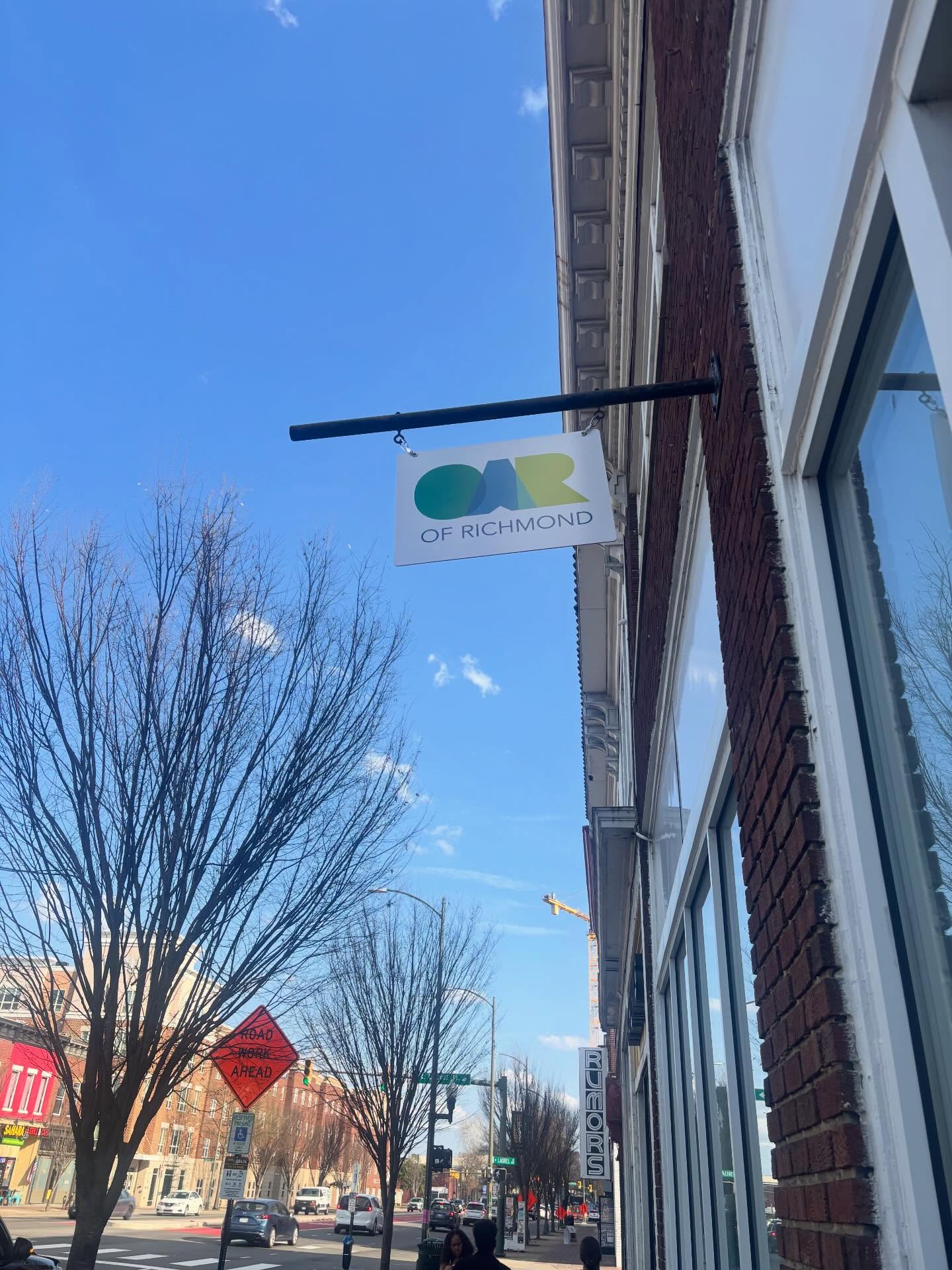
“We want everyone to know that our clients are people too,” Holman said. “They’re humans who have made a mistake and served their time. They’re coming back into the community and want to better themselves.”
For OAR of Richmond, that is what reentry is all about—meeting people where they are, helping them overcome barriers and giving them the support they need to reclaim their second chances.
Learn more about OAR of Richmond: www.oarric.org
OAR of Richmond is located at 809 W. Broad Street in Richmond and can be reached at 804-643-2746 or info@oarric.org. The organization also welcomes volunteers and donations of clothing, shoes, work tools and bicycles.